

Version française
Print

arms, stomach, buttocks and thighs

LIPOSUCTION OR LIPOSCULPTURE

What are the benefits?

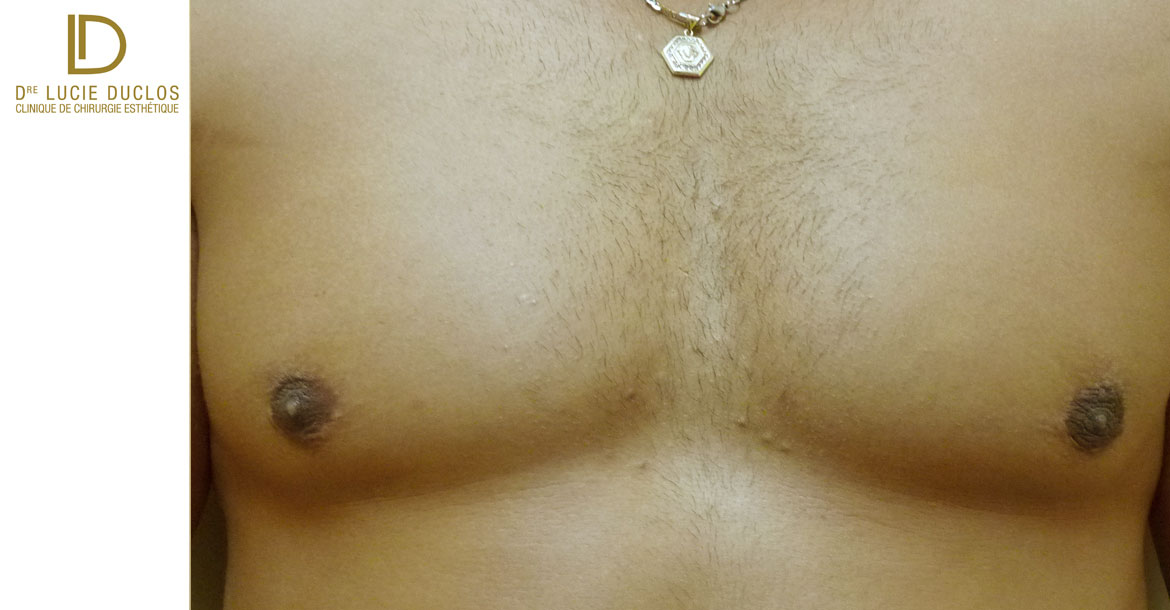
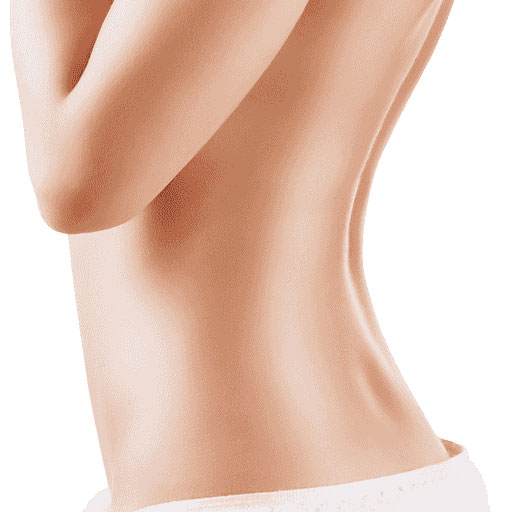
Liposuction (or liposculpture) consists of sculpting the body by removing the fat from certain areas, notably the chin, neck, arms, thorax, abdomen, outer thighs, back, buttocks, inner thighs, and legs. Liposuction is not a substitute for a healthy diet and exercise, but it can get rid of stubborn fat. The fat cells that are suctioned out are gone for good, even when patients gain weight after the procedure. However, liposuction won’t eliminate cellulite and can’t correct sagging skin.

Is it for me?

People who are the best candidates for liposuction are in good health, have a healthy diet and exercise regularly. Their skin is firm and elastic and the fat that has accumulated is quite localized and simply won’t go away, despite all their good habits. Age is not the primary factor, skin quality is.

Liposuction can improve your physical appearance and self confidence, however, it won’t change your relationships with others. Before opting for this procedure, please be clear about your expectations and discuss them with Dr. Duclos. She’ll be happy to answer any questions clearly and provide information on the type of procedure that’s best for you, including the pros and cons.

If you’re thinking about losing a significant amount of weight, you should probably do it before having the procedure.

What techniques are used?

The two techniques used are ultrasound and the more commonly used tumescent technique. This technique consists of an anaesthesia solution containing a mixture of saline solution, a local anaesthetic and epinephrine (to avoid excessive bleeding), which is injected and the fat is vacuumed out with a fine cannula.

What should I expect?

During your consultation, Dr. Duclos will evaluate your health and examine the areas that are to be treated as well as your skin’s general condition. She will then make her recommendations. It’s possible that a lipectomy (skin and fat excision) with or without liposuction is preferable to liposuction. If you are opting for liposuction, Dr. Duclos will show you the exact site of the incisions, discuss the inherent risks of the procedure, explain each step of the procedure itself, which is usually performed under local, epidural or general anaesthetic, and discuss pre and post operative care.

Before the procedure, you will have to purchase a support garment that is appropriate for the day of the operation. The length of the procedure depends on the extent of the work to be done. You will then remain under observation until the doctor decides you may leave the clinic. Painkillers will be prescribed and the date of your next appointment will be given to you before you leave. Make sure you ask someone to accompany you back home.

After the procedure, pain is relatively slight (usually just a sense of discomfort) and lasts about 48 hours. If necessary, medication can help ease the pain. Furthermore, some liquid will probably seep from your incisions for the first two days. The support garment will help control swelling and allow the skin to adapt to its new shape. You must wear the support at all times for two weeks, then ten hours a day for the two weeks after that. You may, however, take the support off to shower (48 hours after the procedure). Wait for Dr. Duclos to give you the go ahead before taking a bath.

Avoid lying in bed for long periods of time and be sure to get up and walk regularly. This reduces swelling and the risk of clots.

Depending on the extent of your liposuction, you can return to work relatively quickly. You must avoid strenuous physical activity for the first four weeks and avoid exposing your scars to sunlight or in any kind of tanning salon for 6 months.

Swelling can persist for six months or more.

What are the risks?

Liposuction is generally very safe, although complications may arise. People who are obese, diabetic or have heart, lung or circulation problems are more at risk. Risks are also higher if many areas are being treated or if the amount of fat being removed is high. Abnormal reactions to medication can also occur.

As with any other procedure, infection can occur. Sometimes, liquid accumulates and must be drained. Friction burns, skin or nerve damage, numbness or changes in skin pigmentation, or even irregular scarring may also occur.

It can also sometimes be difficult to predict the skin’s reaction after liposuction. Its surface may become irregular, asymetrical or droopy and retouching may be necessary. Excess skin can also appear and may require additional work.

Very rarely, blood clots or fat cell clusters migrate and can be fatal. Dehydration and a drop in blood pressure can also be fatal. And finally, in extremely rare cases, the perforation of vital organs has been reported.