




Injections for aesthetic care without surgery
Avant votre consultation, il est donc utile de vous poser quelques questions, à savoir:
- Pour qui est-ce que je me fais faire un soin sans chirurgie?
- Depuis combien de temps est-ce que j’y pense?
- Quelles sont mes attentes?
Dre Duclos speaks to you
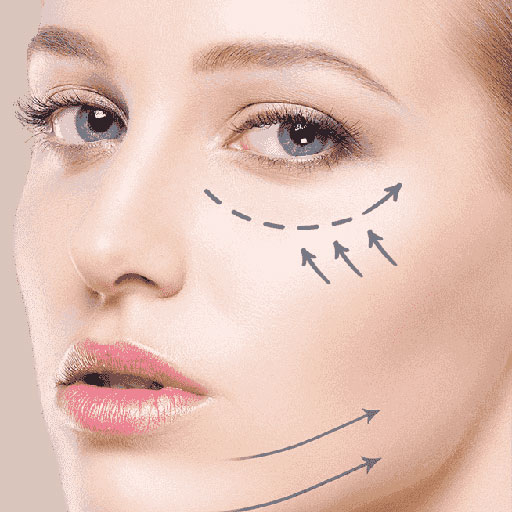
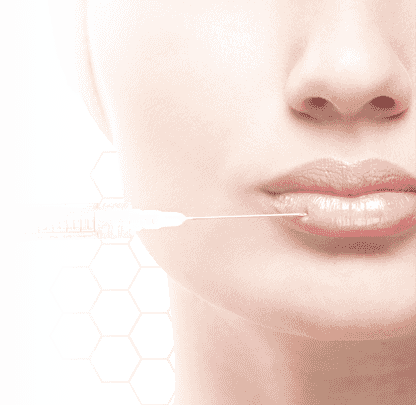
Increasingly popular, facial injections have many advantages. The most interesting thing is that they can quickly reduce the effects of aging, fill a hollow scar or inflate certain areas of the face without surgery or incision. The recovery is therefore very short, swelling and bruising are minimal.
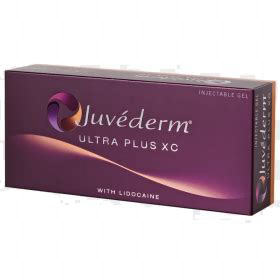
If you are already familiar with the success of collagen and Botox, you will be delighted with this medical innovation in the form of the product Juvederm Volite which now offers a reliable filler with very impressive results in the fight against skin aging.
Among the many products available on the market, there is theBotox and fillers (Juvederm,Volbella). Also,fat injections can be done. Dr. Duclos will recommend the most appropriate product for your situation. She may also suggest combining Botox and a filler. Botox treatment relaxes the wrinkle, while injecting a filler fills the wrinkle to reduce its appearance. Surgery, whether or not in combination with Botox or a filler, may also be preferable.
These implants, which are particularly suitable for filling the cheeks and lips, have the advantage of being taken from your own body. However, the amount injected is not the amount that will remain in place. Indeed, the taking of fat grafts is random and, in general, several sessions (spaced four to six months apart) are necessary to obtain the desired correction and a uniform result. Overcorrection of the area that you want to fill is not recommended since the area will be too large – and difficult to hide – for a certain time.
In addition to fat implants that are taken from the patient, many fillers are available on the market. The most widely used products in Canada are composed of hyaluronic acid (Fine Lines, Restylane, Juvederm, Perlane, etc.). They are designed in a laboratory and do not require an allergy test. Like collagen, hyaluronic acid is one of the natural constituents of the skin.
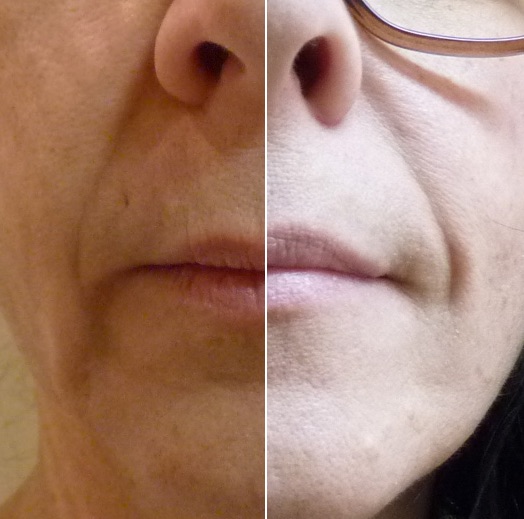
The injection only takes a few minutes and the effect is visible immediately. Filler products can be used to reduce a wrinkle or plump up a part of the face such as the lips, cheekbones or chin. Some swelling of the treated area is to be expected for about 48 hours. The risk of infection is minimal. There may be some irregularities that will be alleviated by massage. Very rare cases of inflammatory nodules have been reported in the literature.
Non-surgical interventions
1
Dermal Filler Injections:
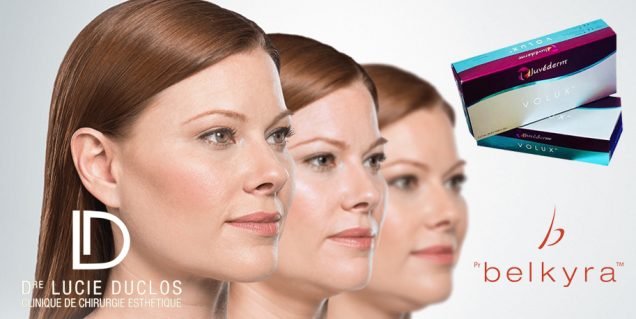
Juvéderm, Volbella, Voluma
Dermal filler injections use products like Juvéderm, Volbella, and Voluma to restore volume to different areas of the face. These treatments are especially popular for the lips, cheekbones, nasolabial folds, and facial contours.
How they work: Dermal fillers are made of hyaluronic acid, a substance naturally found in the skin. They are injected into specific areas to smooth wrinkles, add volume, or reshape contours.
Benefits: Dermal filler injections provide immediate, natural-looking results. Hyaluronic acid also helps hydrate the skin, contributing to a subtle but visible rejuvenating effect.
Post-treatment care: Patients can resume their daily activities almost immediately. Results last from six months to two years, depending on the type of product used.
2
Botox and Other Botulinum Toxins
Botox and similar products work by temporarily reducing the muscle activity that causes expression lines. Commonly treated areas include the forehead, crow's feet, and glabellar lines.
How it works: Botox temporarily blocks nerve signals from the injected muscles, allowing the skin to appear smoother and more rested.
Benefits: Botox reduces wrinkles without affecting the natural expression of the face. Results are visible within days and can last up to six months.
Treatment Process: Each session is quick, generally painless, and the patient can return to normal activities shortly afterward.
External Consumer Resources
1. Medical Information Sites: Sites like the American Society of Plastic Surgeons (ASPS) and the American Board of Cosmetic Surgery (ABCS) offer detailed information about Botox, fillers, and other treatments.
2. Virtual Consultations: Several platforms offer online consultations to discuss expectations and ask questions before committing to treatment.
3. Specialized Groups and Forums: Forums like RealSelf offer patient reviews and testimonials from patients who have undergone similar treatments. This can help give you an idea of possible results and precautions to take.
Practical advice before choosing a treatment
Before deciding on an aesthetic treatment, it is essential to be well informed and take certain precautions.
1. Specialist evaluation: Make sure that the doctor is qualified, experienced, and certified in medical aesthetics. Dr. Duclos has the skills required to perform these treatments safely.
2. Questions to ask during the consultation:
- What are the possible side effects?
- How long will the results last?
- How will the follow-up take place?
3. Maintaining the results: A healthy lifestyle and daily sun protection help prolong the effects of the treatments.